6 Indie Sneaker Brands Every Burned-Out Kicks Enthusiast Should Know Now
Bored of big-brand drops? Meet 6 indie sneaker labels mixing trail tech, heritage canvas, and bold shapes—plus how to style, size, and care for them.
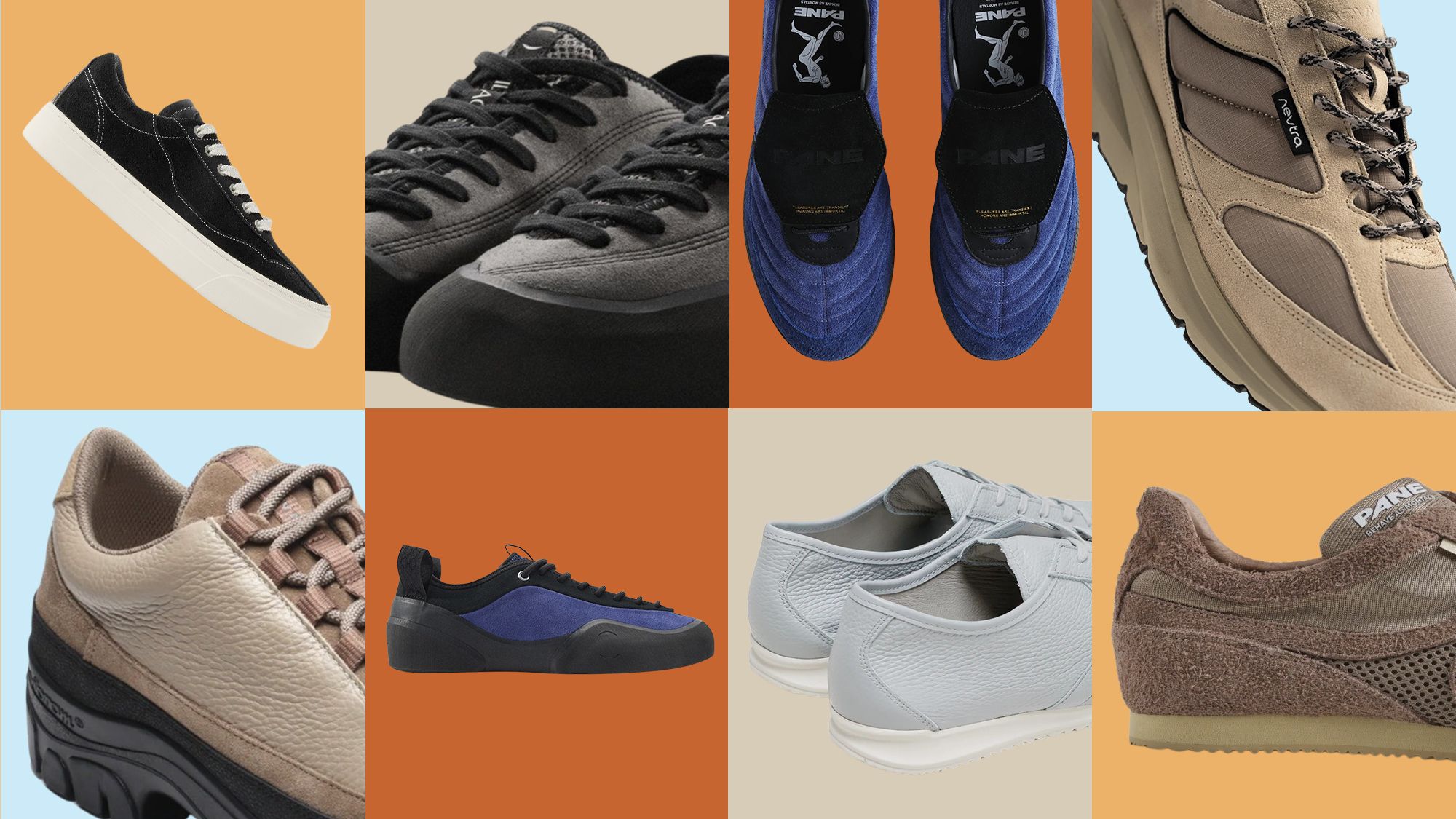
Another limited drop, another déjà vu swoosh on your feed. If the chase feels stale and your rotation looks like a hall of mirrors, it’s time to step off the hype treadmill. The most interesting shoes right now aren’t coming from the usual megabrands—they’re born in small studios, old European factories, and trail labs. Here are the indie labels putting fresh ideas underfoot—and how to work them into your wardrobe without blowing the rent.
Burned out on Beaverton? Here’s your one-minute reset
Indie sneaker culture isn’t just contrarianism; it’s a different supply chain, a different design process, and often a different use case. You’ll see unusual materials (think Dyneema and Vibram compounds), idiosyncratic lasts, and silhouettes that mix outdoors tech with street style. You’ll also find revivals from heritage factories that never chased hype to begin with. Even mainstream fashion media has been spotlighting these outsider labels for how they push the category forward beyond copycat retros and collab fatigue. [1]
Six indie sneaker brands actually moving the needle
-
ROA (Italy): Techy hiking DNA meets fashion-forward design. Expect lugged Vibram outsoles, ripstop and suede uppers, and a mountain-lab aesthetic that looks as sharp with wide-leg trousers as it does with a field jacket. If you like your footwear functional but far from normcore, this is your gateway drug to the outdoor-fashion crossover. [3]
-
norda (Canada): Built for real trail abuse yet surprisingly city-friendly, norda’s flagship runners use Dyneema uppers (a super-strong, lightweight fiber) and Vibram outsoles for serious grip and longevity. They’re precision tools first—low weight, serious traction—yet the palette and sculpted profiles land clean with relaxed tailoring or a techy shell. [2]
-
Karhu (Finland): A century-old running house with a quiet cult following, Karhu specializes in archival deep-cuts and colorblocked trainers that feel familiar but never lazy. Their chunky yet balanced proportions pair well with vintage denim, work jackets, and boxy knits—perfect if you want “old-world runner” energy without going full retro cosplay.
-
Novesta (Slovakia): Vulcanized canvas done the Eastern European way—clean, sturdy, and eco-leaning. The signature chunky rubber toe cap and flatter profile give Stan Smith minimalists something sharper to wear with unstructured blazers, chore coats, and pleated chinos. If you live in canvas all spring and summer, this is the upgrade with soul.
-
Stepney Workers Club (UK): S.W.C. riffs on classic plimsolls with a handshake logo and the “Freedom of Sport, Freedom of Thought” motto. Under the hood: durable vulcanized foxing and cushy insoles. The Dellow (low) and Varden (high) hit that sweet spot between skate and tennis—ideal with loose trousers, a tucked tee, and a thin belt. [4]
-
Eytys (Sweden): If you miss the thrill of bold shapes, Eytys’ chunky-soled sneakers deliver volume without clowning. Their sculpted midsoles and substantial uppers excel with relaxed silhouettes—think straight-leg denim, oversized shirting, and cropped bombers—for a silhouette that reads modern, not maximalist-for-maximalism’s-sake.
What most people miss when they go indie
- Last shape is destiny: Indie brands often use unique lasts that fit narrower, wider, or higher-volume than your go-to big-brand size. Read product notes, measure your feet, and expect a different feel at the ball and instep.
- Materials change the ride: Maximal foam stacks = plush, but less ground feel. Vulcanized rubber = stable and sharp-looking, but not marathon-cush. Leather linings breathe differently than synthetics—great for sockless summers, not for sweaty commutes.
- Sustainability isn’t just a buzzword: Canvas, natural rubber, and traceable leathers can be more repairable and age better. But “eco” doesn’t guarantee durability; look for outsole compounds and stitching details that match your mileage.
- Small batch ≠ fragile: A lot of indie pairs are built in old factories or technical labs. The durability trade-off often isn’t quality, it’s warranty structure and stock availability. If you’re hard on shoes, prioritize outsole rubber, stitch consistency, and replaceable insoles.
How to buy smarter: fit, care, and rotation tips
- Lock in size with data: Measure foot length and width at day’s end. Cross-check the brand’s size chart and scour customer reviews. When in doubt, order two adjacent sizes to try at home; return the miss immediately.
- Dress the silhouette, not the logo: Chunky soles want volume up top (wider denim, boxy knits). Low-profile vulc wants sharper lines (cropped chinos, tidy overshirts). Trail-tooling sings with tech fabrics or rugged cotton—not tuxedo trousers.
- Break-in without breakage: For canvas vulc, a light steam or warm wear with thicker socks softens hot spots. For tech runners, adjust lacing zones (midfoot vs. forefoot) before assuming the size is off.
- Protect and maintain: A water-repellent spray for canvas and suede; conditioner for leather; a soft-bristle brush for knit uppers. Wipe down lugged soles often—embedded grit eats rubber over time.
- Rotate with purpose: Keep one “city beater,” one “statement,” and one “performance” pair. Rotating extends life and lets materials rebound between wears.
Ready to swap your daily kicks? Real questions answered
Q: Can I wear trail-built shoes with tailoring? A: Yes—if the upper is sleek and the colorway is muted. Try norda or ROA in black, olive, or stone with unstructured suiting and a knit polo. The contrast reads intentional, not gym-bound. [2][3]
Q: Are canvas vulcanized sneakers worth it if I walk a lot? A: For all-day city mileage, go vulc with a supportive insole and a thicker rubber foxing. Novesta and S.W.C. balance simplicity with sturdiness; just rotate pairs and refresh insoles every season. [4]
Q: What if I have wide feet? A: Look for rounder toe boxes and flatter profiles (Novesta, certain Karhu styles). If you’re eyeing chunkier silhouettes (Eytys), size up or test in-store—volume distribution matters more than the number on the box.
Q: I’m over loud colors. Will these still feel special? A: Absolutely. The novelty is in proportion, materials, and texture. Monochrome canvas with a bold toe cap, or a stealthy trail sole under a suede upper, adds depth without shouting.
Quick hits: the takeaway list
- If hype fatigue is real, change the design language—outdoor-lab soles, heritage canvas, archival runners.
- Start with one pair you’ll actually wear three days a week; your wardrobe will adapt around it.
- Match shoe volume to pant shape: more sole = more leg room.
- Care is a competitive advantage—protect new pairs on day one.
- Don’t chase scarcity; chase fit, proportion, and materials you can live in.
Indie sneakers won’t replace your entire rotation overnight—but one carefully chosen pair can reset your eye, your outfits, and your enjoyment of getting dressed. When the thrill comes back, you’ll feel it from the ground up. [1]
Sources & further reading
Primary source: gq.com/story/sneaker-brands-you-should-know
Written by
Marcus Chen
Men's style expert helping you dress better with confidence.
Related Articles
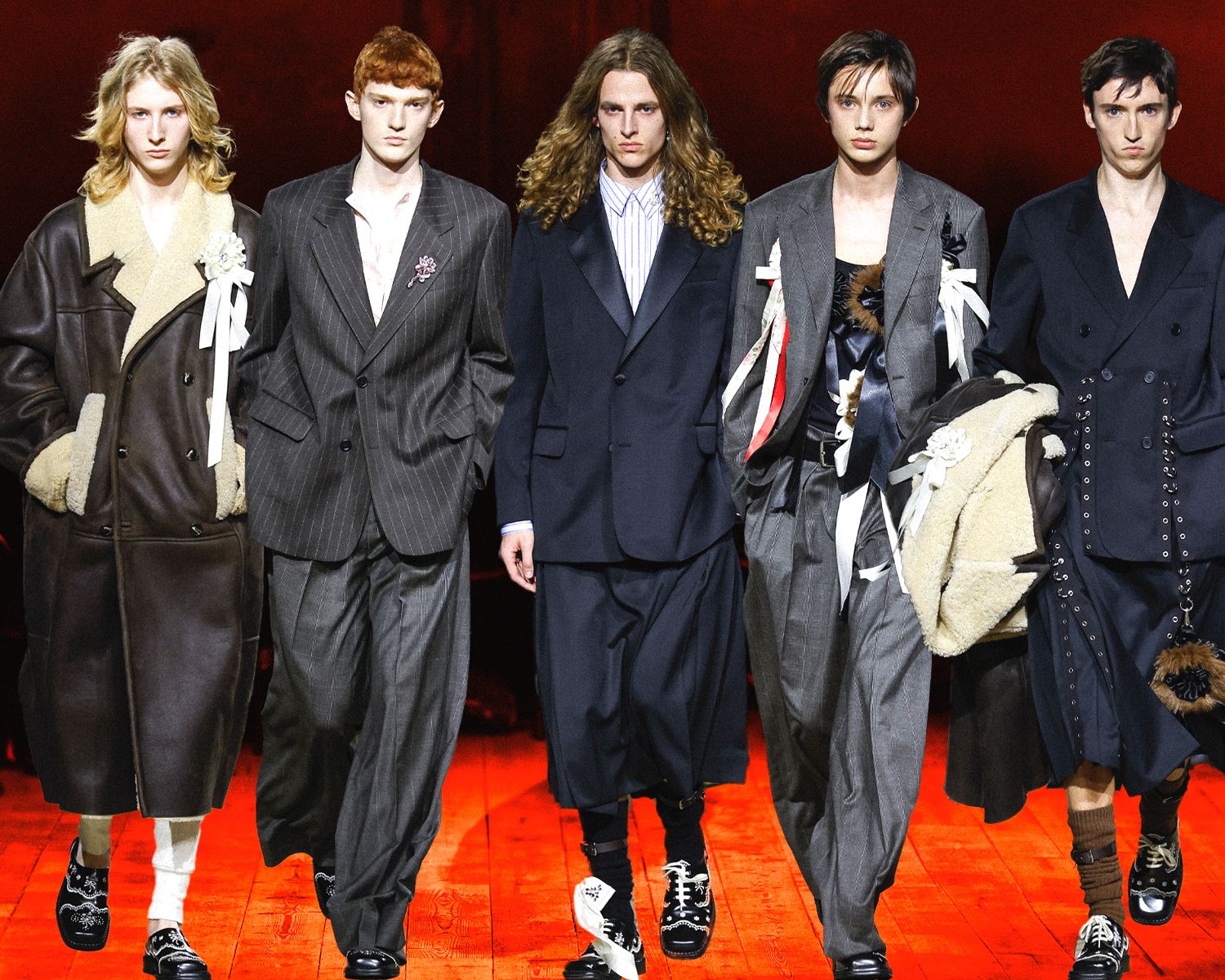
Simone Rocha Is the Mary Shelley of Menswear: Romance, Ruin, and How to Wear It Now
Simone Rocha’s menswear turns romance into armor. Why she’s the Mary Shelley of style—and how to wear it now, from pearls to tulle, runway to daily life.
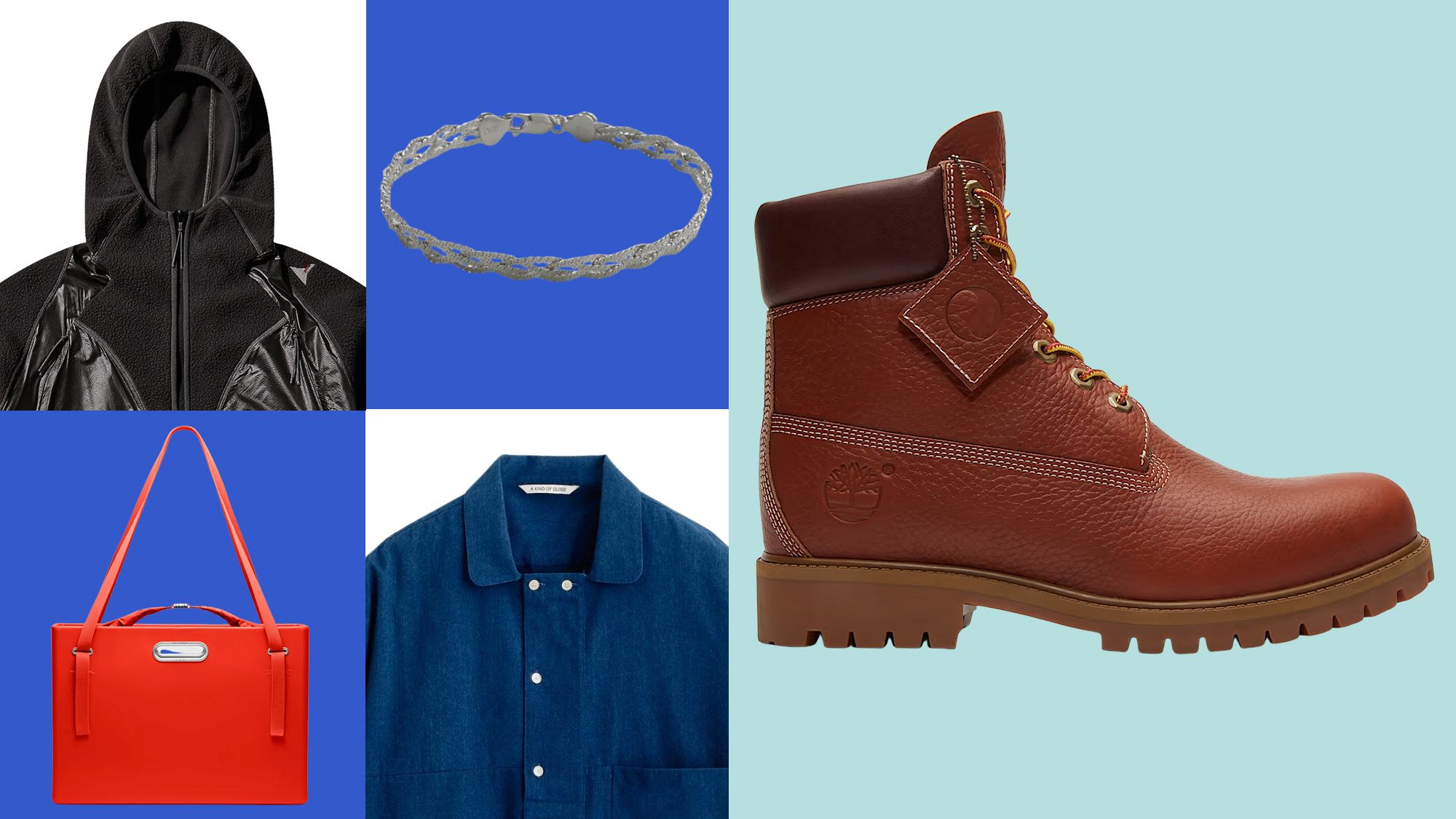
19 Editor-Backed Menswear Drops Worth Buying This Week
From fuzzy knits to freaky trousers and buzzy accessories, here are 19 new menswear buys to refresh your rotation this week—plus smart US shopping tips.
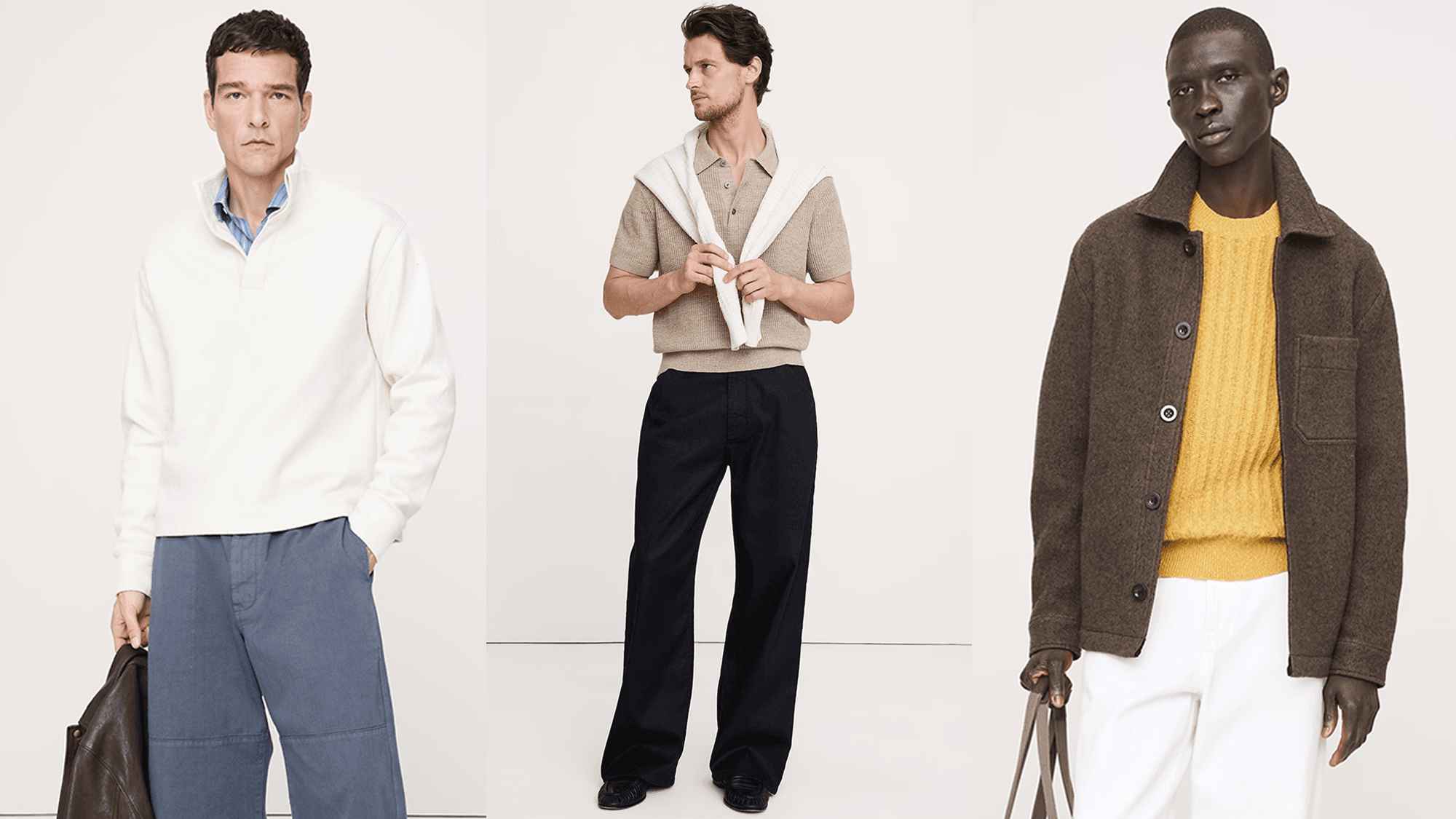
The 25 Best Things to Buy at Banana Republic This Spring 2026
From swaggering knit polos to transitional jackets, these are the 25 best Banana Republic buys for Spring 2026—plus fit tips, price ranges, and how to wear.